
Board-Level Diagnosis
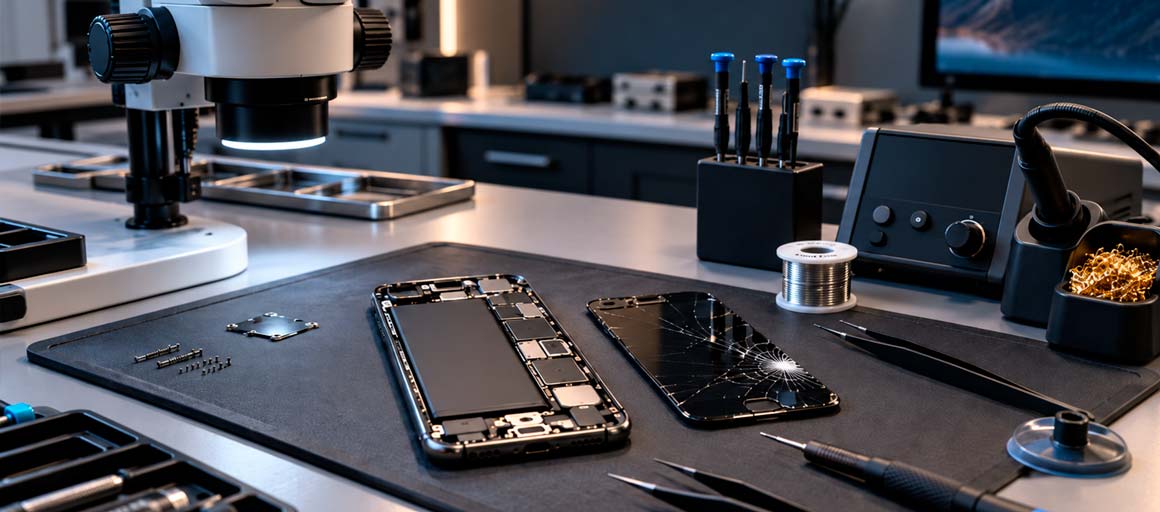
When a phone does not power on or communicate normally, diagnosis can involve microscope inspection, power-consumption analysis, thermal diagnostics and measurement of individual power rails.
Aesonlabs provides professional mobile data recovery for Android phones, iPhones and other mobile devices affected by physical damage, electronic failure, liquid damage, inaccessible storage and other conditions that prevent normal access to the user's data.
Modern smartphones are considerably more complex than removable flash storage. User data may be encrypted and tied to the original processor, storage device, security hardware and other components on the logic board.
For this reason, successful mobile data recovery often depends on preserving and restoring enough of the original device to access the information through the phone's own hardware rather than simply removing the memory chip.
Modern mobile recovery often begins with electronics rather than file extraction. The goal is to preserve the original hardware chain required for authentication and decryption, then restore enough device functionality for controlled data access.
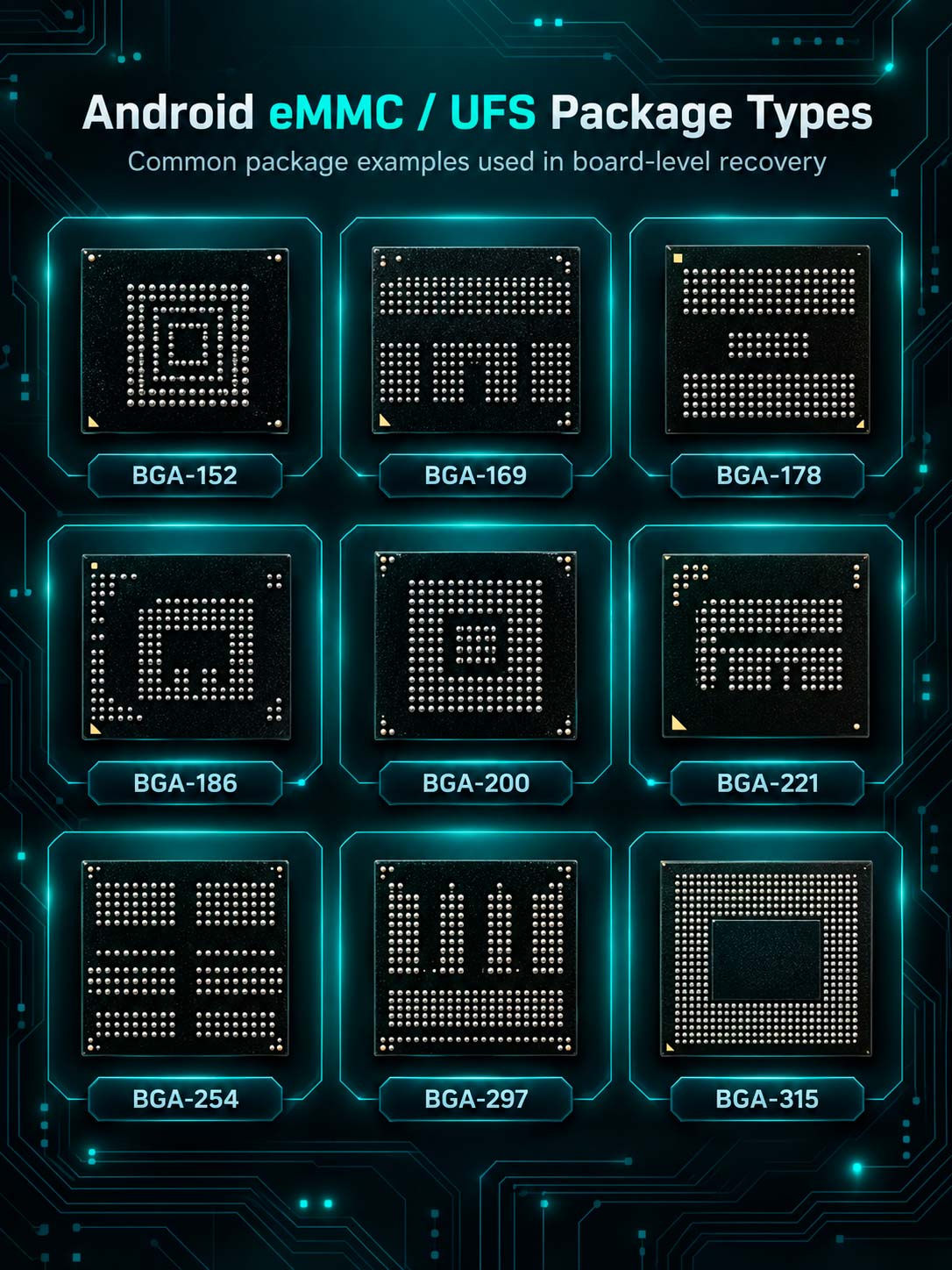
Android devices can use several types of storage technology including eMMC, UFS and other embedded flash-memory systems. Depending on the device generation and manufacturer, user data may be protected by file-based or full-disk encryption tied to the original hardware and user credentials.
A phone that no longer powers on may therefore require board-level diagnosis and temporary electronic repair before the internal storage can be accessed normally. Cases can involve failed power circuits, liquid damage, shorted components, damaged connectors, corrupted firmware, impact damage or failed storage devices.
The appropriate procedure depends on the exact device, storage architecture and failure condition.
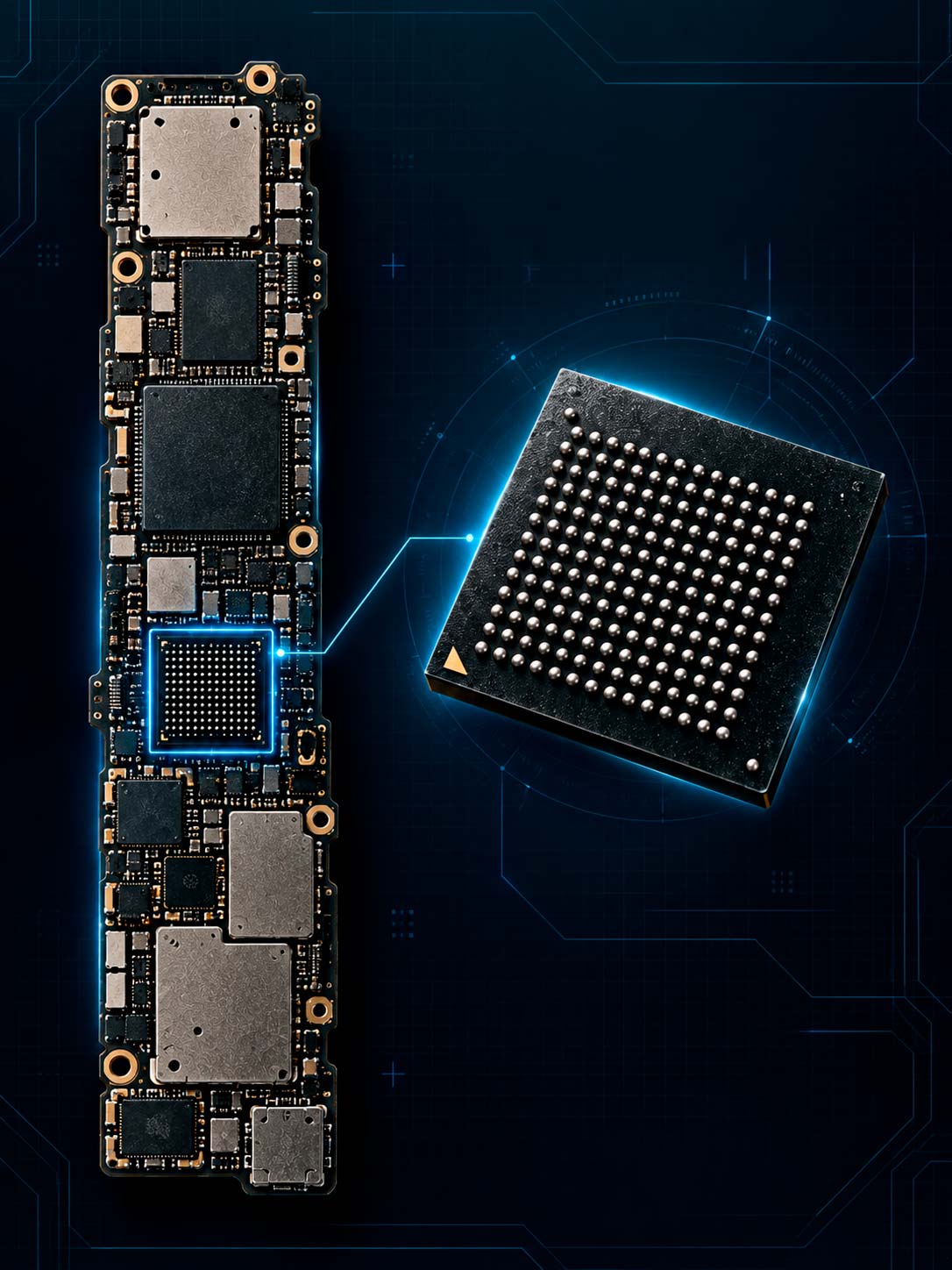
Modern iPhones use strong hardware-backed encryption that ties user data to the original device components. Removing the NAND storage from a damaged iPhone does not normally provide direct access to photographs, messages, application data or other files.
In many physically damaged cases, recovery therefore focuses on preserving the original logic board and restoring sufficient functionality for the phone to initialize and authenticate normally. This can involve diagnosis of power rails, damaged components, corrosion, short circuits, broken connections and other electronic failures.
The objective is data access rather than permanent repair of the device.
A failed mobile device may involve no-power conditions, liquid exposure, corrosion, bent or impact-damaged boards, damaged connectors, short circuits, inaccessible storage or unstable restarts. In some cases, a broken display only requires temporary conventional repair; in others, the logic board itself must be evaluated before the data can be accessed.
When a phone does not power on or communicate normally, diagnosis can involve microscope inspection, power-consumption analysis, thermal diagnostics and measurement of individual power rails.
Liquid damage can create corrosion, short circuits and unstable conditions throughout the device. Repeated charging or power attempts can increase the damage.
Drops, crushing forces and bending can damage board interconnections, power circuitry, storage components and other critical parts beyond the visible display assembly.
A device that reboots, vibrates, shows partial activity or becomes inaccessible may still require preservation of original components before further recovery steps are attempted.
On many current Android and iPhone devices, the information stored inside the flash memory is encrypted using keys associated with the original processor, security hardware and user credentials. This means that a successful raw read of the storage chip does not automatically produce usable photographs, messages or other user files.
The original hardware must often remain functional enough for the device to decrypt its own storage. For this reason, preserving the original logic board and critical components is usually more important than simply removing the NAND or UFS storage device.
Clients should also retain all available device passcodes, account credentials, recovery information and encryption-related details. Physical recovery does not automatically bypass device security.
The original application processor participates in the secure boot and authentication path required to initialize encrypted user data. A readable NAND chip alone is not enough if the original hardware chain cannot initialize correctly.
Depending on the device, condition and available credentials, recoverable information may include photographs, videos, documents, contacts, locally stored messages and application-related data. The exact information available varies between devices and applications, because some data may exist only in cloud services or encrypted application databases rather than exclusively on the phone itself.
Recovery of deleted information from modern smartphones can be significantly more limited than recovery from older storage systems. Flash-memory management, TRIM, garbage collection, encryption and application-specific storage behavior can cause deleted information to become permanently unavailable.
Recovery of a physically damaged phone and recovery of intentionally or accidentally deleted data are therefore two different technical problems.
Some mobile-device cases involve legal proceedings, investigations or requirements beyond ordinary data recovery. Forensic acquisition, technical analysis, evidentiary handling and preparation of formal reports are evaluated separately from standard mobile data recovery.
If the device or recovered information is intended for court, an investigation or another formal proceeding, advise us before work begins so that the appropriate scope can be established.
Mobile-device recovery is highly dependent on the exact model and failure condition. The more accurately the original failure history is described, the easier it is to determine the most appropriate diagnostic path.
Modern mobile recovery requires an understanding of both electronics and encrypted storage architecture. The most important information may depend on the original logic board, processor, storage device and security hardware continuing to function together.
For physically damaged devices, Aesonlabs approaches recovery by identifying the actual board-level failure and preserving the original components required to access the encrypted user data.
Potentially. A no-power condition can result from power-circuit faults, liquid damage, shorted components, damaged connectors, board damage or storage-related problems. The device must be diagnosed to determine whether sufficient functionality can be restored for data access.
Depending on the damage, yes. Modern iPhone data is tied to the original hardware and encryption system, so recovery often involves repairing the original logic board sufficiently for the device to initialize and decrypt its storage.
Potentially. Liquid damage can affect power circuits, board components and connections throughout the phone. Recovery possibilities depend on the extent of corrosion and whether the critical original components required for data access remain recoverable.
Not necessarily. Modern Android and iPhone storage is commonly encrypted and tied to the original device hardware. A raw NAND, eMMC or UFS acquisition may contain encrypted information that cannot be interpreted independently of the original phone.
In many cases, the valid device passcode or credentials are required to access encrypted user data after the hardware has been restored. Physical repair does not automatically bypass the security of the device.
Sometimes, but deleted-data recovery from modern encrypted flash storage can be very limited. TRIM, garbage collection, application behavior and encryption can permanently remove or invalidate deleted information.
Not necessarily. If the phone otherwise functions normally and only the screen is damaged, conventional repair or temporary screen replacement may be sufficient to access the data. Data recovery becomes more complex when the logic board or storage system itself is damaged.
Not necessarily. In physically damaged cases, repairs may be performed only to restore enough functionality for data extraction. The recovered device should not automatically be considered reliable for continued everyday use.
Potentially. Tell us what previous work was performed and whether any original components were removed or replaced. Previous board work can affect both the complexity of the recovery and the condition of components required for decryption.
Forensic acquisition, technical analysis and legal reporting are evaluated separately from ordinary mobile data recovery. If the device is related to litigation or an investigation, advise us before work begins so the appropriate scope can be established.
Submit the exact phone model, the failure symptoms, any previous repair history and a description of the data that matters most.