
PCB & Native Components
The electronics are examined to determine whether the board is original, whether drive-specific ROM or adaptive information remains present and whether previous repair or donor work has changed the power path.
A previous unsuccessful recovery does not always mean that every possible recovery path has been exhausted. We specialize in data recovery after a failed attempt, including difficult hard drive, SSD, RAID, flash and other storage cases that have already been opened, repaired, modified, partially imaged or declared unrecoverable by another recovery provider.
These are not routine recovery cases. They may arrive with damaged platters, missing parts, substituted electronics, previous head replacements, incomplete donor assemblies or undocumented firmware work. The first task is to reconstruct what happened, determine what remains original and establish whether a safe technical path still exists.
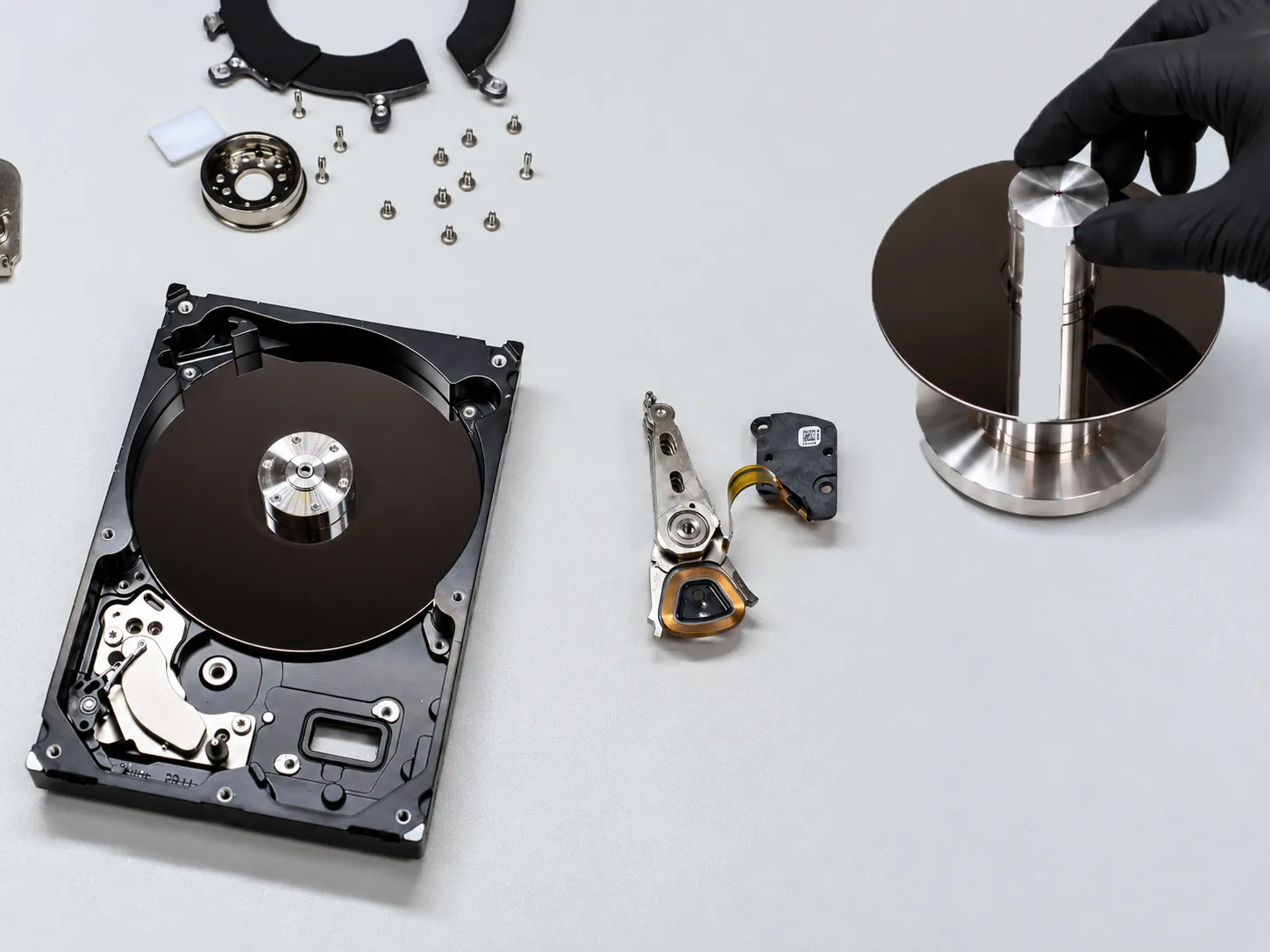
“Unrecoverable” is not a single technical condition. It can describe a drive with severe media damage, a case in which critical firmware information could not be accessed, a failed donor-head procedure, a device whose previous recovery path reached a technical limit, or a situation where the remaining work was no longer considered practical by the previous provider.
Sometimes a second evaluation identifies another path. Sometimes it confirms that the first conclusion was correct. Our second opinion data recovery process starts with the device as it exists now, without assuming that another attempt will succeed or that the previous diagnosis was wrong.
The important question is not whether the device has been called unrecoverable. The important question is what remains physically and electronically viable, what was changed during the previous attempt, and whether the information required to access user data can still be obtained safely.
Data recovery after a previous recovery attempt depends heavily on knowing what has already been done. A difficult case can lose valuable engineering time when that history is incomplete. If another recovery company, repair shop, technician or owner has already worked on the device, tell us exactly what was done as far as you know.
We are not asking for this information to judge a previous provider. We need it because the device we receive may no longer be in its original technical state. A substituted PCB, changed head stack, moved platter stack, modified firmware or incomplete donor assembly can materially change the way the case must be evaluated.
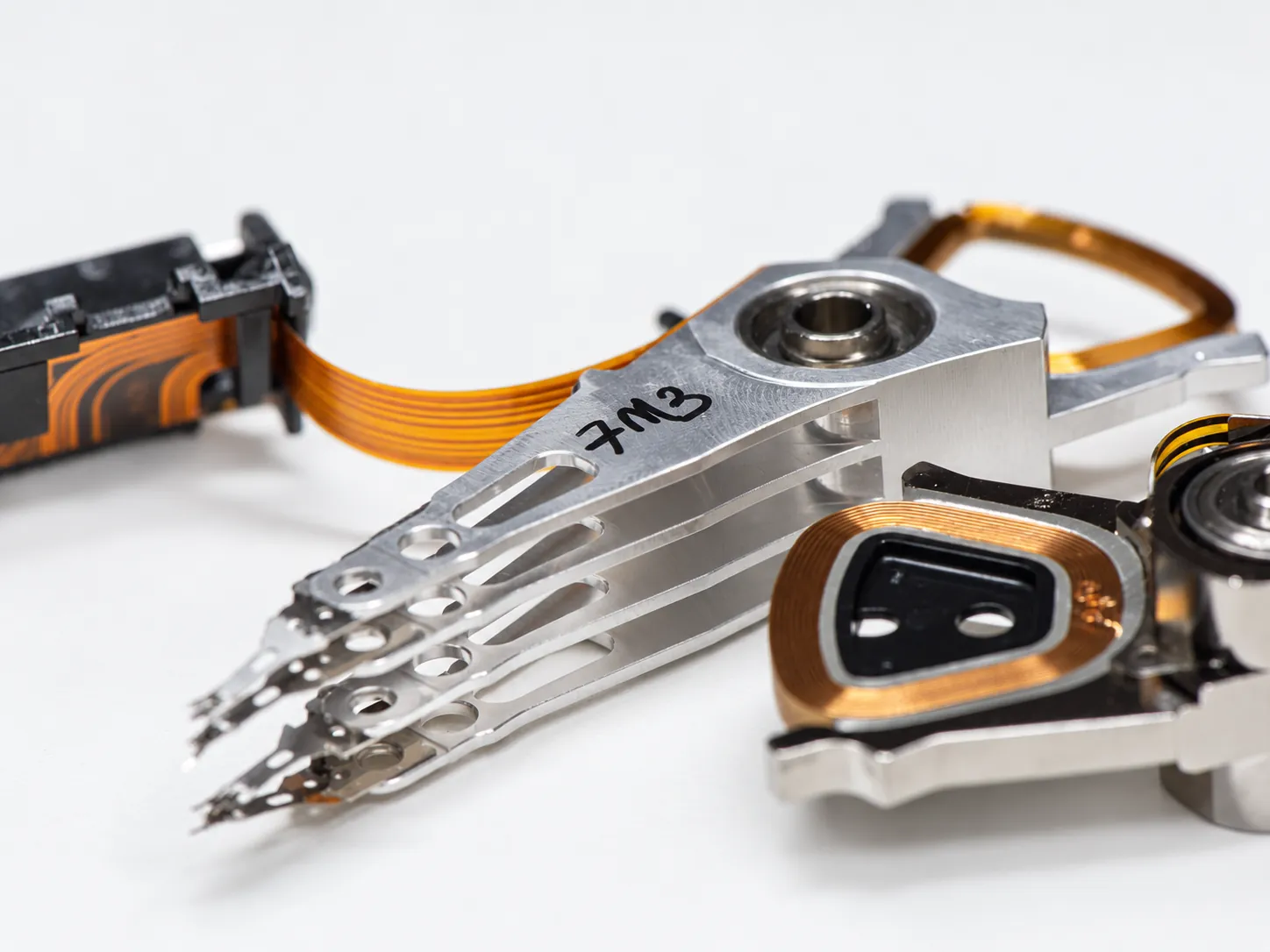
We do not assume that installed donor parts are correct, that the PCB is native, that the head assembly is original or that previous firmware work should be continued. The device is treated as an unknown technical state until the important components and recording surfaces have been evaluated.
The electronics are examined to determine whether the board is original, whether drive-specific ROM or adaptive information remains present and whether previous repair or donor work has changed the power path.
Heads are examined for physical damage, contamination and evidence of previous replacement. Installed donor heads are not automatically assumed to be correct or usable.
The platter stack, spacers, spindle area, parking ramp, filters and internal components are documented before another controlled mechanical attempt is considered.
The drive family is analyzed to determine where critical Service Area information is stored and whether the required surface or head remains accessible.
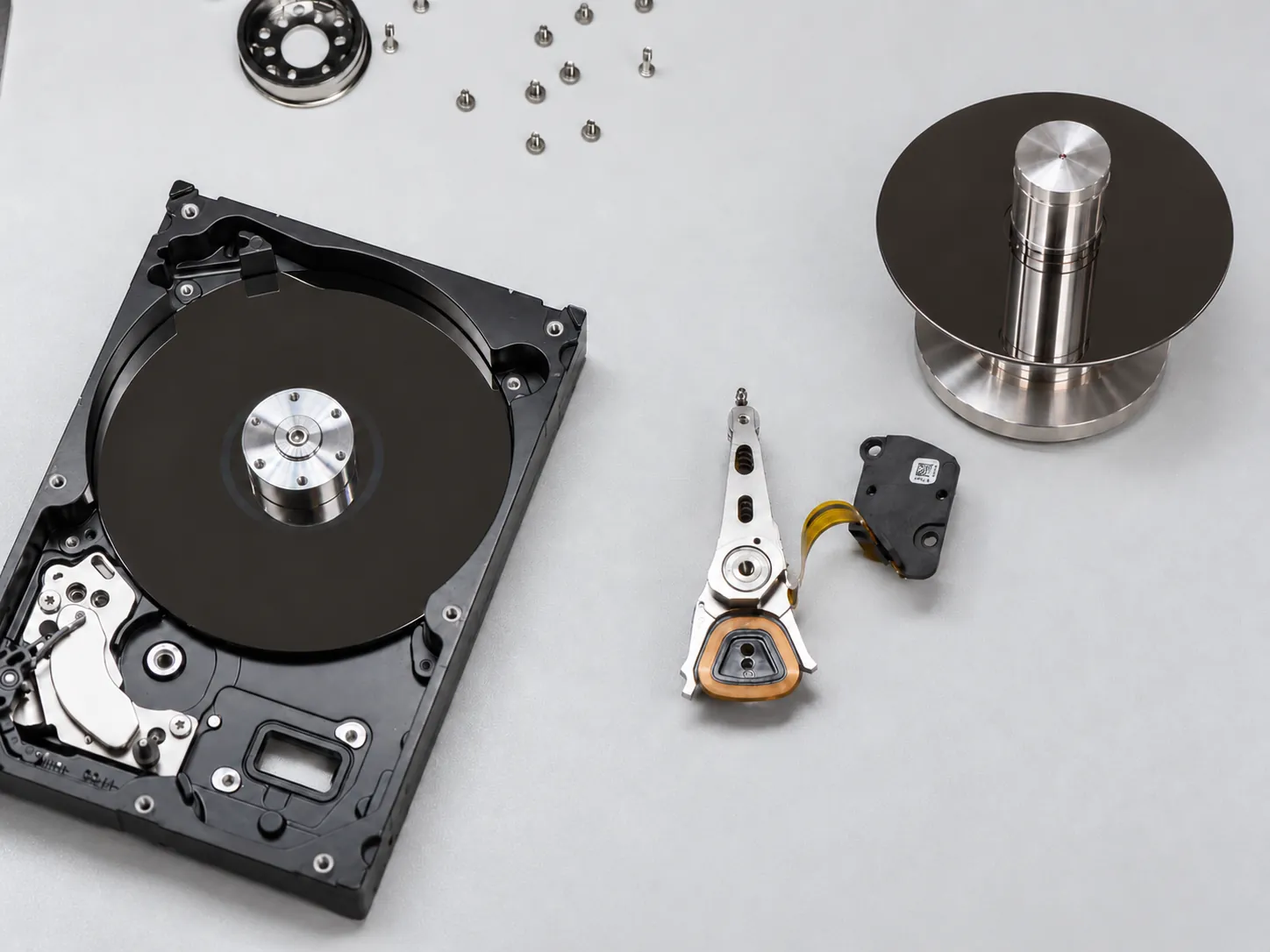
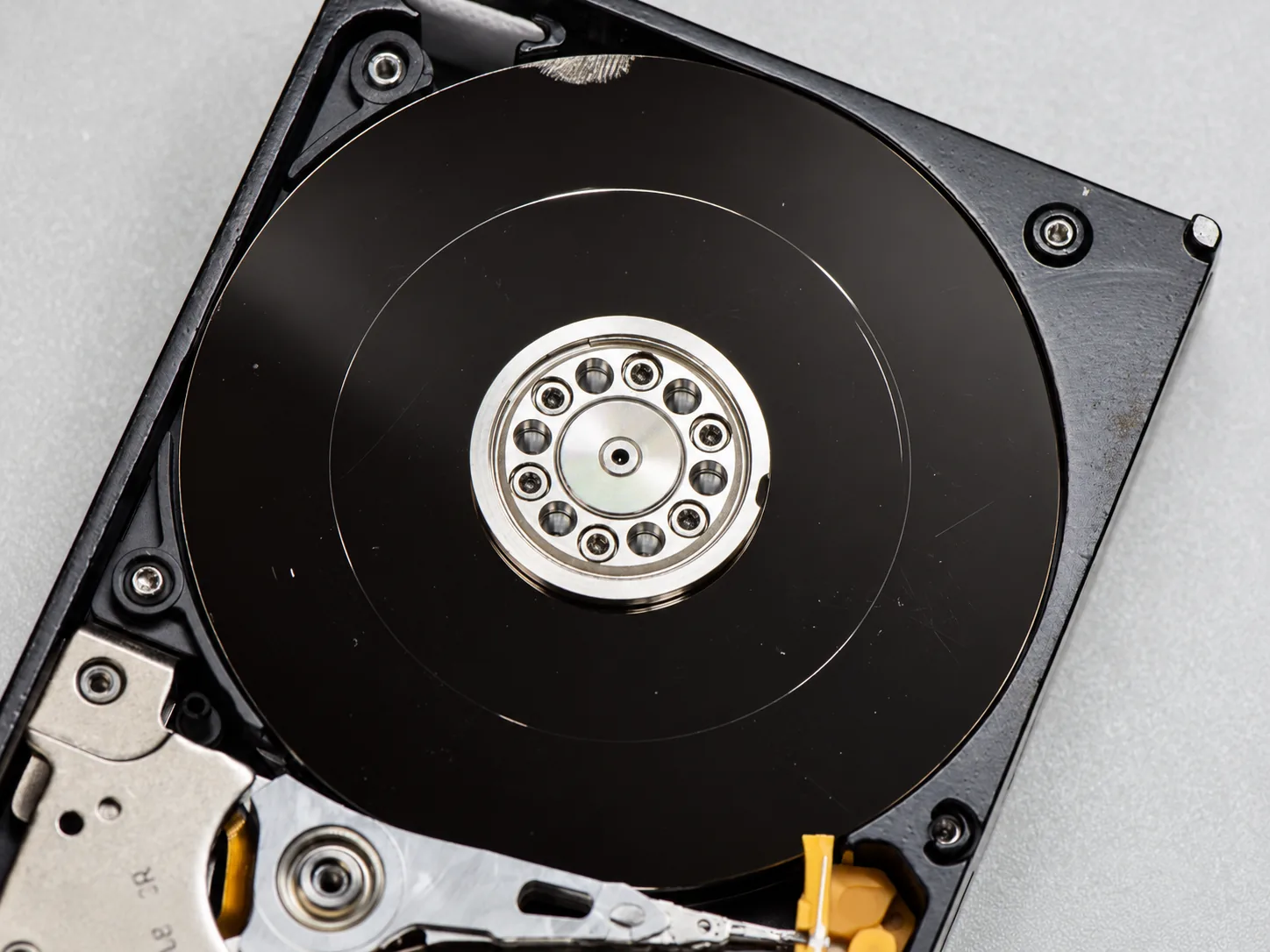
Severe recording-surface damage is one of the most common reasons a mechanically failed hard drive has already been declared unrecoverable. In a previously unrecoverable hard drive case, a single clean-looking upper platter does not establish that the remaining recording surfaces are safe.
In a multi-platter hard drive, each usable recording surface matters. The drive may need to be disassembled so the surfaces can be evaluated individually for scratches, rotational scoring, contamination, residue and other damage that can destroy replacement heads or prevent access to critical firmware information.
This inspection helps determine which surfaces may still be imageable, which head positions are unsafe and whether another mechanical attempt has a reasonable technical basis.
Modern hard drives depend on firmware and drive-specific information stored in reserved areas of the recording media. The exact Service Area layout varies by manufacturer, family and model. Critical modules may depend on particular heads or recording surfaces, and a damaged surface in the wrong location can block access to the information required to initialize the drive properly.
During a second-attempt evaluation, we determine which heads and surfaces are relevant to the drive family, whether critical Service Area information remains readable and whether enough of the firmware environment can be stabilized to begin controlled imaging.
Successful access to critical Service Area information can open a path toward partial or broader recovery, depending on the condition of the remaining recording surfaces. It does not guarantee full recovery, but it can be one of the most important technical turning points in a severely damaged HDD case.
One of the most difficult situations occurs when critical Service Area information may still exist, but the recording surface required to reach it contains a scratch or damaged zone that replacement heads cannot cross safely.
In these cases the obstacle is not simply whether magnetic information remains on the platter. The obstacle is whether a working head can reach the required location without being immediately damaged.
Controlled workarounds may sometimes be possible depending on the drive family, the exact location of the damage and the remaining readable surfaces. These techniques are highly case-specific and frequently do not provide a usable path.
A severely damaged drive can still provide readable sectors even when the original filesystem can no longer be reconstructed reliably. This may happen when too many recording surfaces are damaged, critical metadata is missing or the available image is too incomplete to reproduce the original directory structure.
In those situations, recovery may proceed by identifying file content directly from the sectors that can still be acquired. This is commonly referred to as RAW or file-signature recovery.
Smaller files often have a better chance of surviving severe media damage because they occupy fewer sectors. Larger files span more of the recording surface and therefore have more opportunities to intersect an unreadable or missing region. The actual result depends on fragmentation, file type, media condition and the amount of usable data that can be imaged.
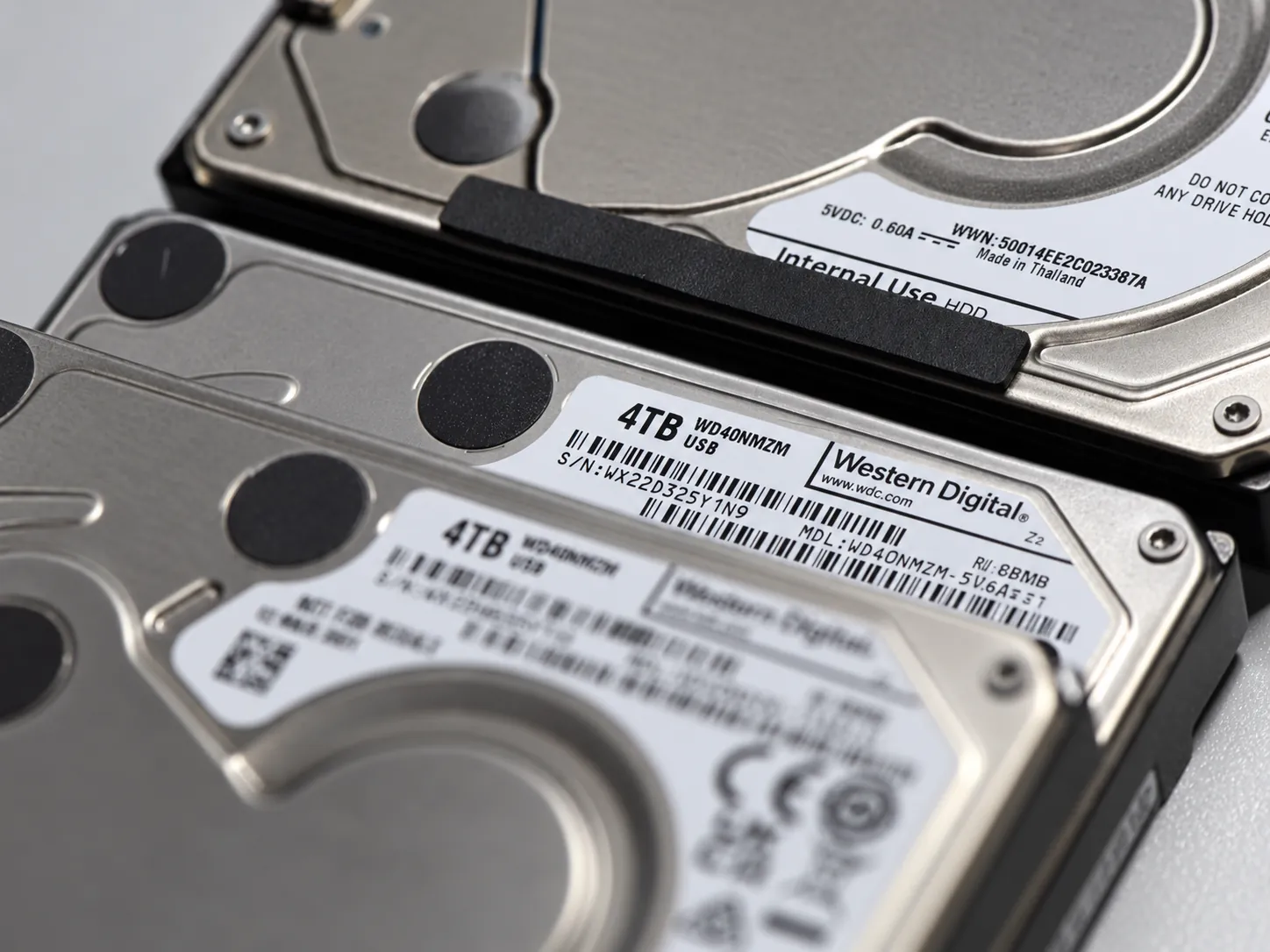
A replacement head assembly that would survive normally on a clean platter surface may degrade quickly when it is asked to read across damaged media. Severely compromised drives can consume multiple compatible donor head assemblies as different surfaces or regions are imaged.
In our experience, two or three donors is not unusual in difficult second-attempt data recovery work, and some cases require more. The exact requirement cannot be known in advance because it depends on platter condition, head compatibility, imaging progress and how each replacement assembly behaves inside the damaged drive.
Donor parts are therefore part of the engineering strategy rather than a simple one-time replacement.
Turnaround expectations are one of the most important parts of accepting this type of case. These recoveries may require donor sourcing, repeated mechanical work, firmware analysis, multiple controlled imaging strategies and long periods of slow acquisition from unstable surfaces.
A drive may image successfully for a period, lose stability, require another donor or need a different access strategy before more sectors can be acquired.
Compatible components may need to be sourced more than once as the condition of the media becomes clearer.
Engineers may need to work around unstable zones rather than repeatedly forcing access through damaged areas.
Exceptional cases can remain in active recovery for many months. We have difficult cases that have continued for more than a year while technical paths, donor availability and controlled imaging are pursued.
A damaged drive after a previous recovery attempt is easier to evaluate when the original components, donor parts and technical history arrive with the device. Do not assume that an old PCB, removed head assembly or previous imaging report is no longer useful.
Original PCB, original heads if they were retained, top cover, screws, spacers and other removed parts.
Any donor PCB, donor heads, donor chassis or other components supplied or used during the previous attempt.
Recovery reports, donor model numbers, firmware notes, head-map notes, diagnostics and communication from the previous provider.
Any partial disk image, clone, sector map, recovered file set or imaging log created during the previous attempt.
The technical questions change with the storage technology. An SSD may involve controller support, encryption, NAND condition or previous chip-off work. A RAID or NAS case may involve overwritten metadata, a failed rebuild, altered member disks or an incomplete image set. Flash media may arrive after controller, monolithic, pinout or direct-NAND work.
The same general principle applies: before another recovery attempt is made, we need to understand what is original, what has been changed, what previous work was performed and what viable access paths still remain.
Previously attempted and complex cases have reached us from Canada, the United States, Europe, Asia and Australia. The interactive case map on this page documents selected real examples of second-attempt recovery, including device history, arrival condition, technical obstacles and the recovery result where it can be verified.
Before shipping, open a recovery case and provide the full previous history. If parts were removed or donor components were supplied, package them with the device and identify them where possible.
It can be. “Unrecoverable” may describe several different technical situations, and another lab may have different equipment, donor resources, firmware experience or recovery methods. A second evaluation can determine whether another technical path remains, but it may also confirm that the previous conclusion was correct.
Yes, depending on its condition. Previously opened hard drives are evaluated to determine what work was performed, whether the installed components are original or donor parts, whether platter damage is present and whether another safe recovery attempt is technically justified.
Tell us what you know and send any original or donor head assemblies that were returned with the drive. We do not automatically assume the installed heads are original, compatible or still usable.
Send every part that is still available and describe what is missing. We have evaluated previously attempted cases that arrived incomplete or altered, but missing original components can affect the technical options available.
No. Access to critical Service Area information can make controlled drive initialization and imaging possible, but the final recovery still depends on the condition of the user-data surfaces, the heads and the amount of readable media that remains.
Scratches and rotational scoring can damage replacement heads and may block access to critical Service Area or user-data regions. The result depends on where the damage is located, how extensive it is and whether other usable heads or surfaces provide an alternative path.
Replacement heads can be damaged quickly by compromised platter surfaces. Difficult cases may therefore require multiple compatible donor assemblies as different surfaces are tested or imaged.
There is no reliable universal turnaround time for severely damaged previously attempted media. Some cases progress in weeks; others require months of donor sourcing, controlled imaging and repeated technical work. Exceptional cases can remain open much longer.
No. A second evaluation can identify technical options that may not have been exhausted during the failed data recovery attempt, but some media is genuinely beyond recovery. We evaluate the device independently and base the recovery plan on its actual condition.
If another recovery company, repair shop or technician has already worked on the device, tell us exactly what happened and what you were told. Include previous reports, donor information, returned parts and any existing images or recovered data where available.
The more accurately we can reconstruct the previous work, the less time has to be spent determining why the device is no longer in its original state and the sooner we can focus on whether another recovery path remains.